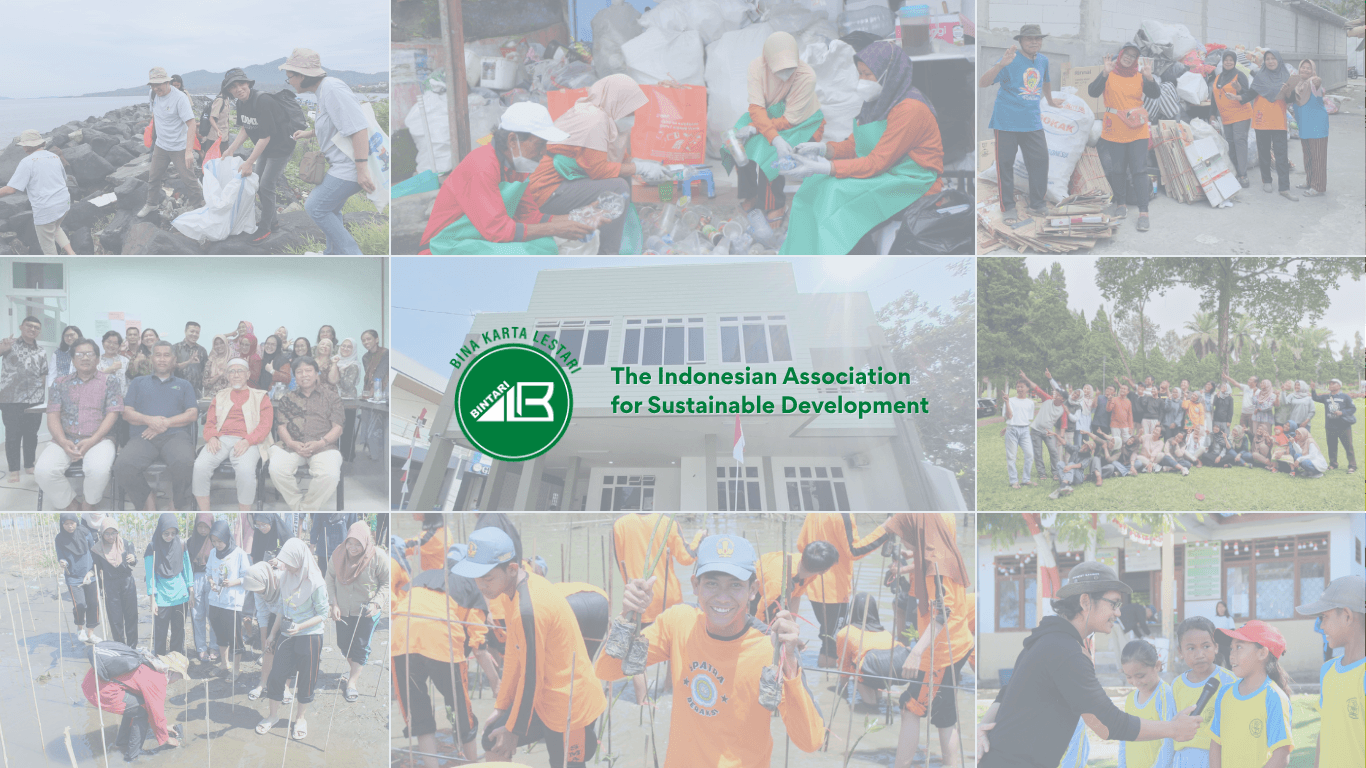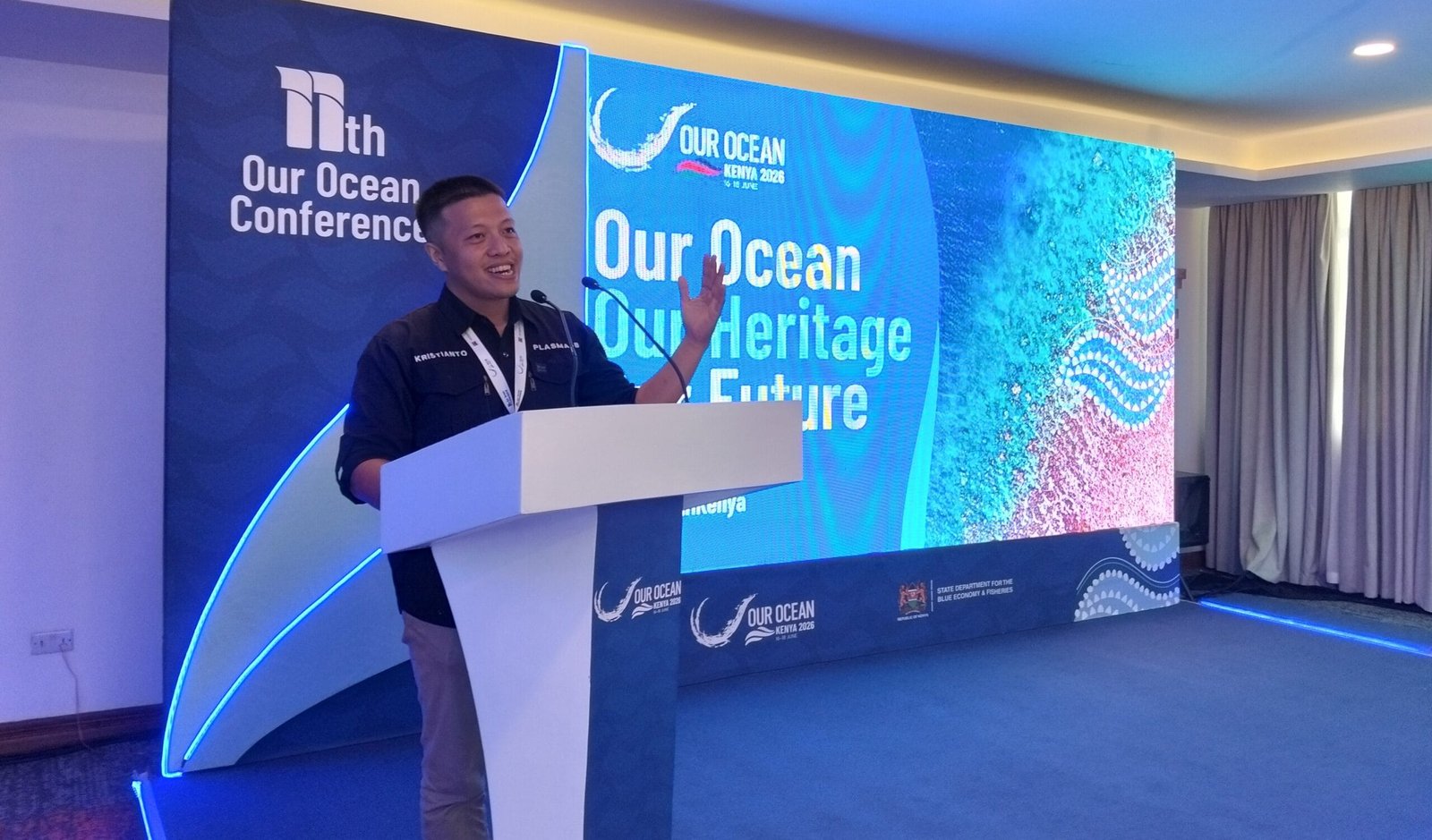
BINTARI is a national non-governmental organization engaged in environmental protection and sustainable development. Founded in 1986, BINTARI strives to be long-term partner in the transformation of a resilient and sustainable society by collaborating with various development actors, including government, community, private sector and international institutions. This transformation is realized through educational programs for sustainable development, waste management, disaster adaptation, coastal area management, watershed management and management of the impacts and cause of climate change.
BINTARI researches independently or with partners to develop environmental management solutions and innovations. BINTARI also carry out some of the research and consultancies that include climate change vulnerability studies, Green House Gas (GHG) emission inventories, Environmental Quality Index (IKLH), Strategic Environmental Studies (KLHS), Gender Studies, Waste Management Planning, and several studies
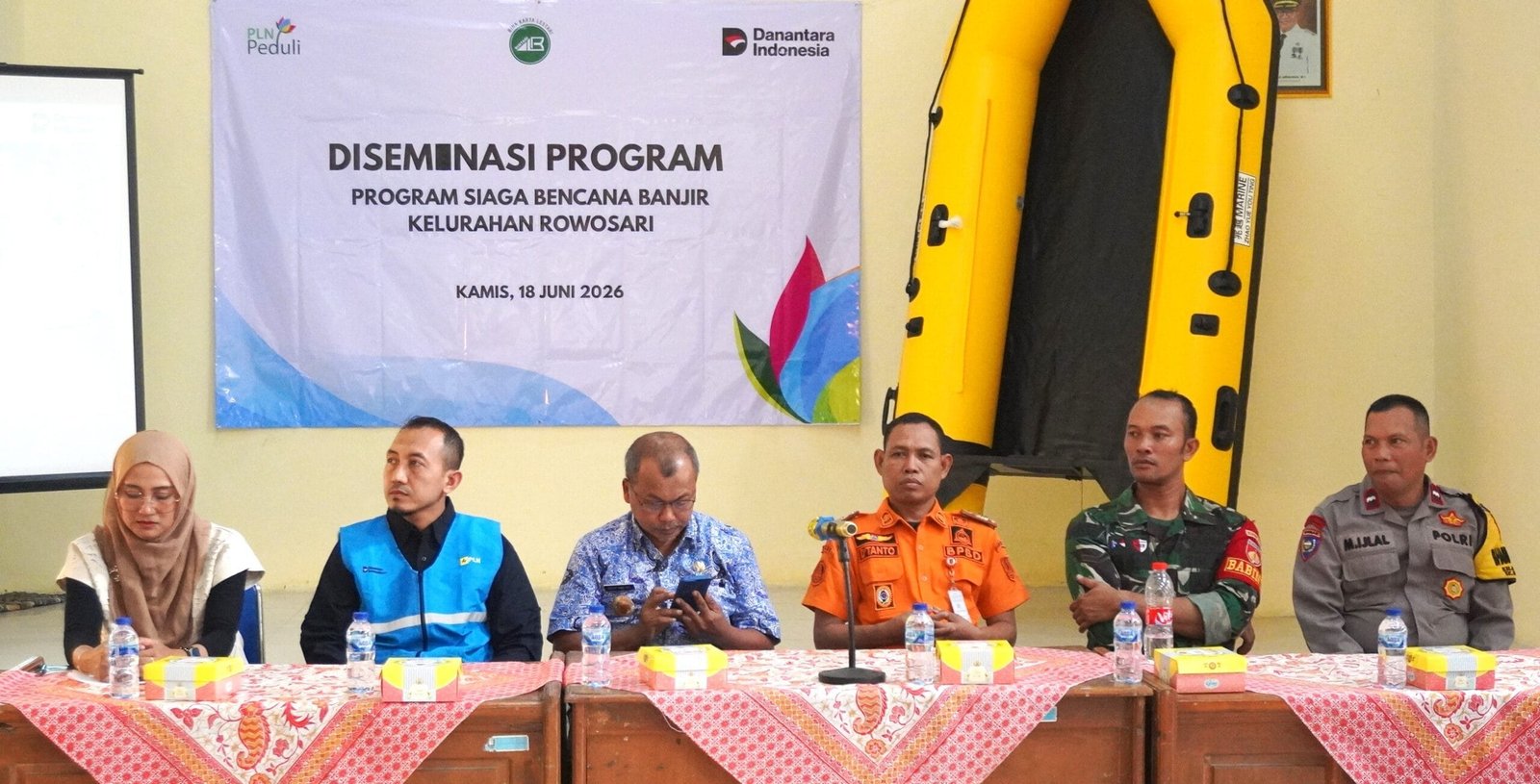
BINTARI provides consultancy and assistance to partners based on knowledge and research results. These services, both technical and non-technical, can be followed by pilot development. These activities include waste management empowerment, coastal ecosystem rehabilitation, climate change adaptation and mitigation, agroforestry and disaster preparedness.
BINTARI provides training in new knowledge and skills after the research, trial and mentoring stages to ensure that partners can apply the training topics directly. Training includes emissions inventory, environmental monitoring, composting, waste management, coastal rehabilitation, development of natural Batik and many more.
BINTARI tests the research results through pilot projects collaborating with the community and related stakeholders. During the pilot project, BINTARI provided technical assistance to the community with its expertise in climate change adaptation, urban waste management, climate disaster preparedness, and many more. These pilot projects are carried out by mainstreaming aspects and issues of climate change, social inclusion, and gender at every stage of activity. Pilot projects are designed and implemented by a project manager and are encouraged to be replicated in other areas.
BINTARI monitors and evaluates the projects implemented to obtain lessons and experiences that will be disseminated. Furthermore, based on the evaluation, the solutions tested through the pilot project are refined and monitored thoroughly for the implementation of future projects.

Surabaya, April 17, 2026 – The InCircular Project, a result of Indonesia–Germany cooperation, was officially launched in Surabaya on Friday (April 17, 2026). This initiative aims to strengthen the ecosystem for plastic waste utilization as part of the transition toward a circular economy in East Java Province.

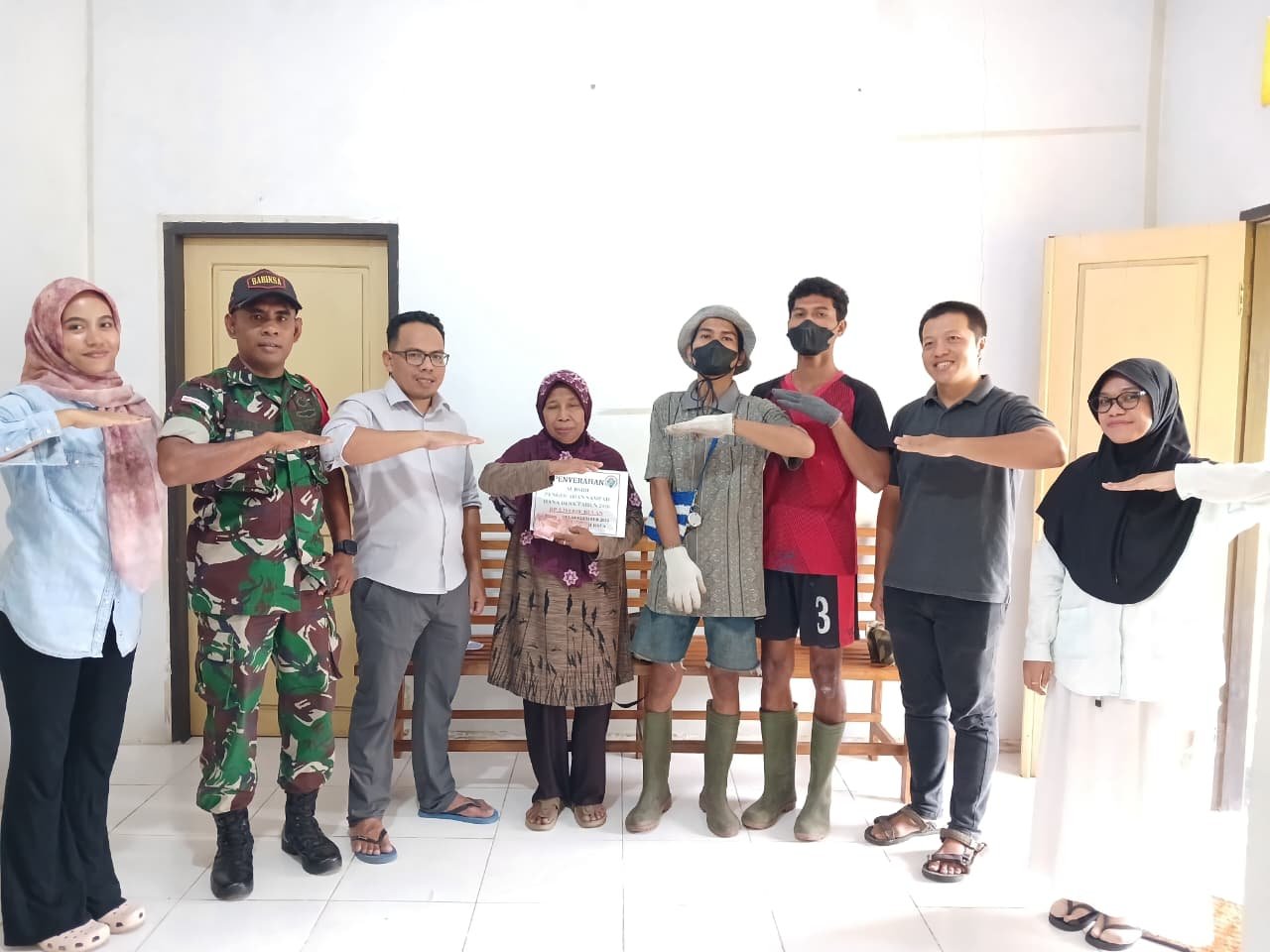
Wednesday (April 16, 2026) – The launch of waste management services in Negeri Administratif Mahu, East Saparua District, Saparua Island, marks an important milestone showing that environmental system transformation does not always have to start from the top.

In a modest building standing on the edge of a residential area in Tanah Rata Administrative Village, Banda Sub-district, Central Maluku Regency, residents gathered on Wednesday, February 11, 2026. They came not merely to attend a ceremony, but to witness the launch of the Independent Waste Management Service, a small step that, for this island community, feels like the beginning of a new chapter. In that space, waste management became a shared responsibility to be managed collectively.

Community-based waste management is a vital step toward creating a clean and sustainable urban environment. Waste Banks act as community-driven hubs, encouraging residents to sort and manage waste independently at the neighborhood level, including RT, RW, and sub-districts. To document the conditions, activities, and development of Waste Banks in Semarang City, this Waste Bank Profile Book has been compiled. The document serves as an official record, highlighting the role of communities in reducing waste and promoting environmentally responsible behavior.

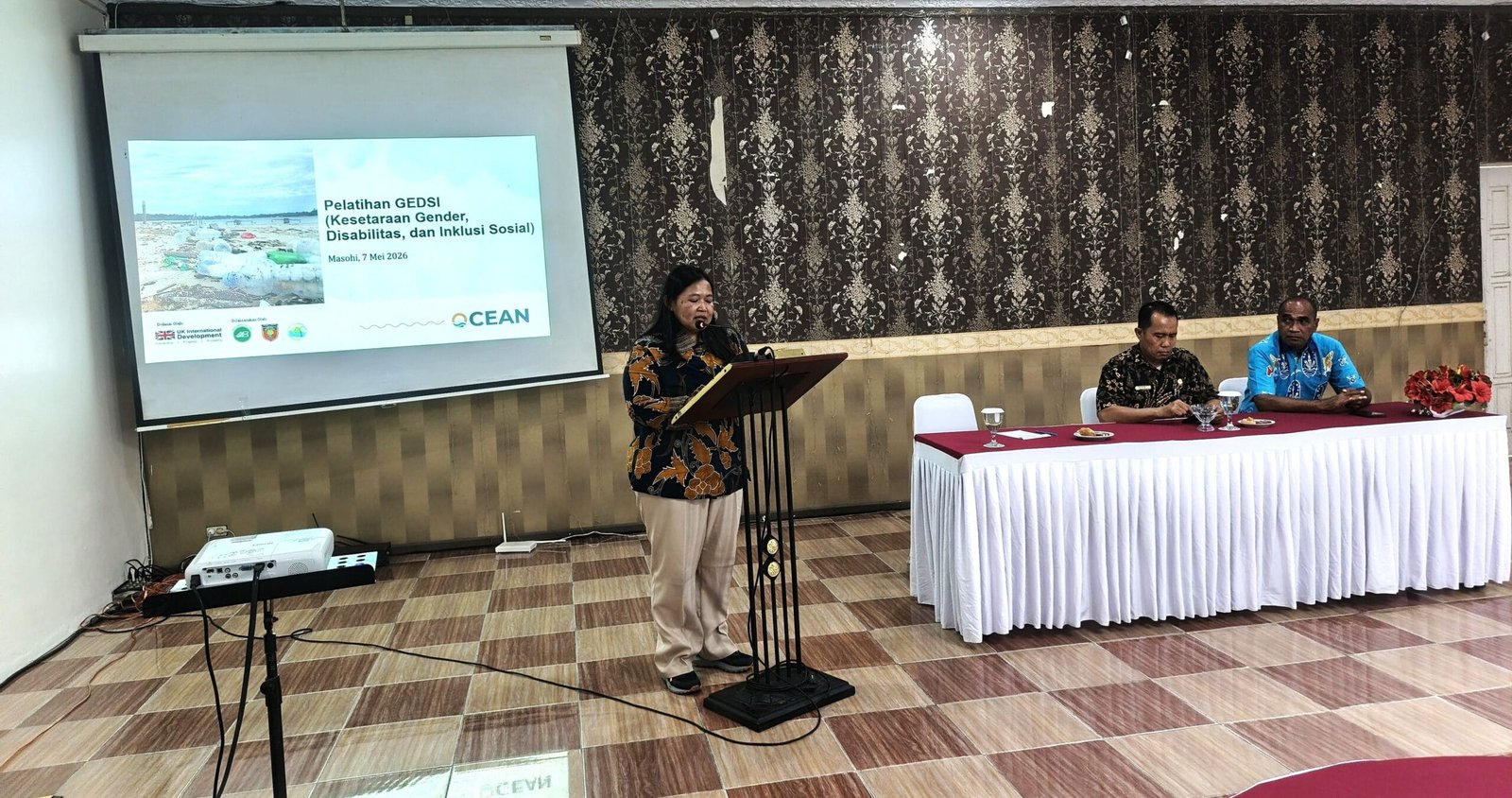
Central Maluku, 19 November 2025 – The PLASMA-B Program (Protecting Biodiversity in the Central Maluku Region through Plastic Waste Management) is an initiative of the Bina Karta Lestari Foundation, implemented in collaboration with the local organization Toma Majo Lease, with funding support from UK OCEAN. The program aims to address plastic pollution issues that threaten both terrestrial and marine ecosystems in Central Maluku. Plastic waste, particularly when poorly managed in coastal villages and small island communities,

Central Maluku, 11 November 2025 – The PLASMA-B Program (Protecting Biodiversity in the Central Maluku Region through Plastic Waste Management) is an initiative of the Bina Karta Lestari Foundation, implemented in collaboration with the local organization Toma Majo Lease, with funding support from UK OCEAN. The program aims to address plastic pollution that threatens both terrestrial and marine ecosystems in Central Maluku. Plastic waste, particularly when poorly managed in coastal villages and small island communities,
Copyright © 2025 Yayasan Bintari All Rights Reserved.