

Repi Village, where most residents depend on the agricultural sector for their livelihoods, is facing major challenges due to a decline in rice field productivity of up to 50% in recent years. Extreme weather and pest attacks have become the main factors threatening the sustainability of agricultural yields in the village. Therefore, it is important for the village community to develop adaptation strategies based on agrometeorological knowledge to support land management and strengthen the resilience of the agricultural sector to the impacts of climate change.
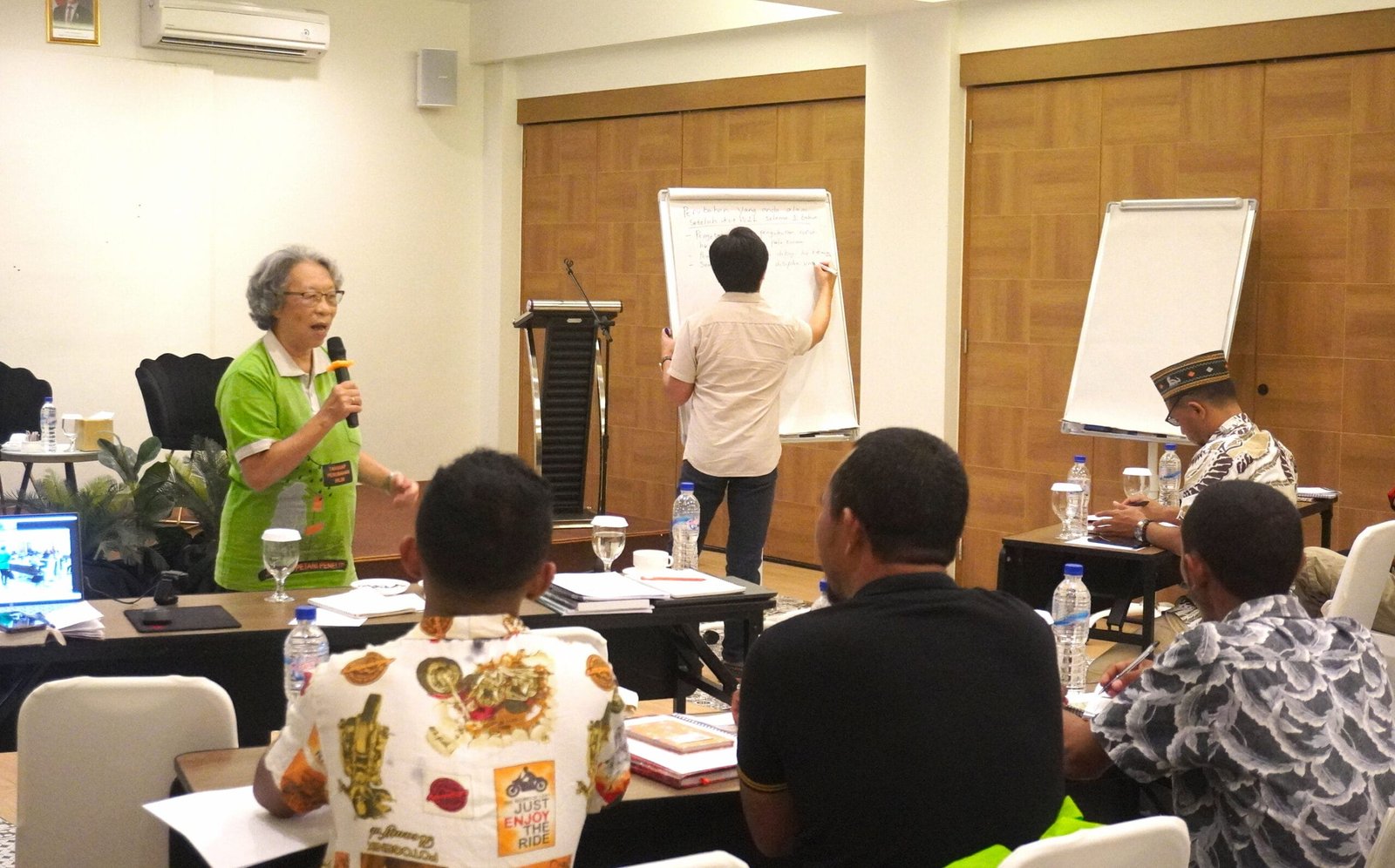
This training involved 15 participants, consisting of members of the PPTPI of Repi Village, the village government, field agricultural extension officers (PPL), the West Manggarai Regency Food Crops, Horticulture, and Plantation Agency (DTPHP), as well as PPTPI networks from various regions who participated online. The main resource persons came from the Field Scientific Workshop (WIL) Team of the University of Indonesia, as well as an agrometeorology expert from the University of the Free State, South Africa.
This training involved 15 participants, consisting of members of the PPTPI of Repi Village, the village government, field agricultural extension officers (PPL), the West Manggarai Regency Food Crops, Horticulture, and Plantation Agency (DTPHP), as well as PPTPI networks from various regions who participated online. The main resource persons came from the Field Scientific Workshop (WIL) Team of the University of Indonesia, as well as an agrometeorology expert from the University of the Free State, South Africa.
This five-day activity included various interactive learning sessions. The first day began with remarks from the Bintari Foundation, the Head of Repi Village, and the Head of the West Manggarai Regency Food Crops, Horticulture, and Plantation Agency. Participants then took part in an evaluation of previous WIL learning to identify benefits, challenges, and necessary improvement steps. Materials on climate and weather, the atmosphere, and solar radiation became the main focus.
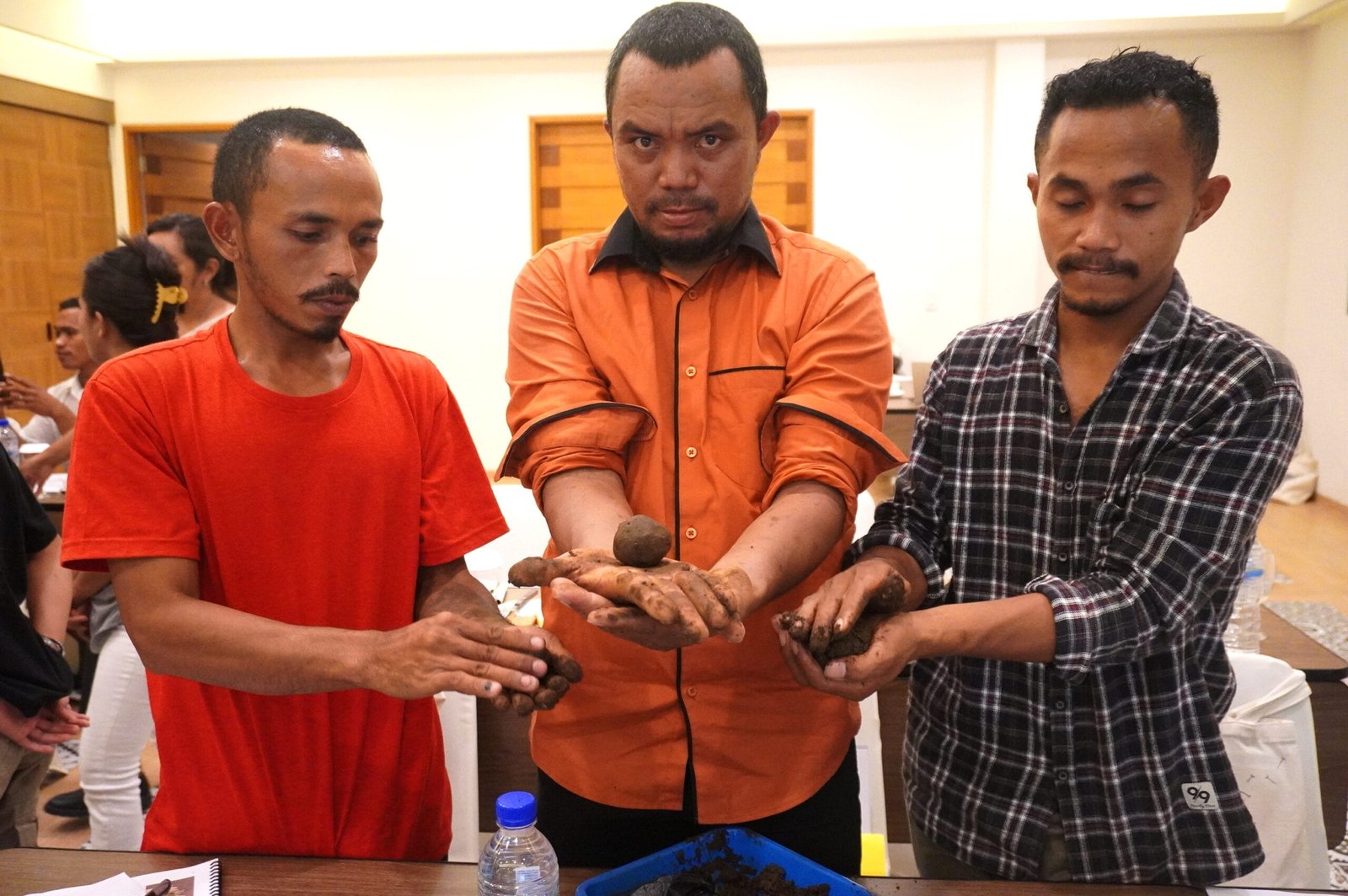 The following days focused on field practice, including rainfall measurement, agroecosystem analysis, and harvest evaluation. Participants also learned to create rainfall graphs based on historical data to predict climate impacts on upcoming planting seasons. In addition, practical sessions on innovative cultivation techniques, such as soil texture measurement and seasonal scenario planning, helped participants understand and anticipate future climate conditions.
The activity also encouraged participants to develop new sustainable cultivation strategies. During knowledge-sharing sessions, they presented innovative ideas to improve crop yields and climate resilience. Participants were trained to establish independent organizations to continue WIL learning and build networks with other communities.
The training concluded with a reflection on the lessons learned and the development of future activity plans for PPTPI. Closing remarks from the Bintari Foundation emphasized the importance of collaboration and commitment from all parties in addressing the challenges of climate change.
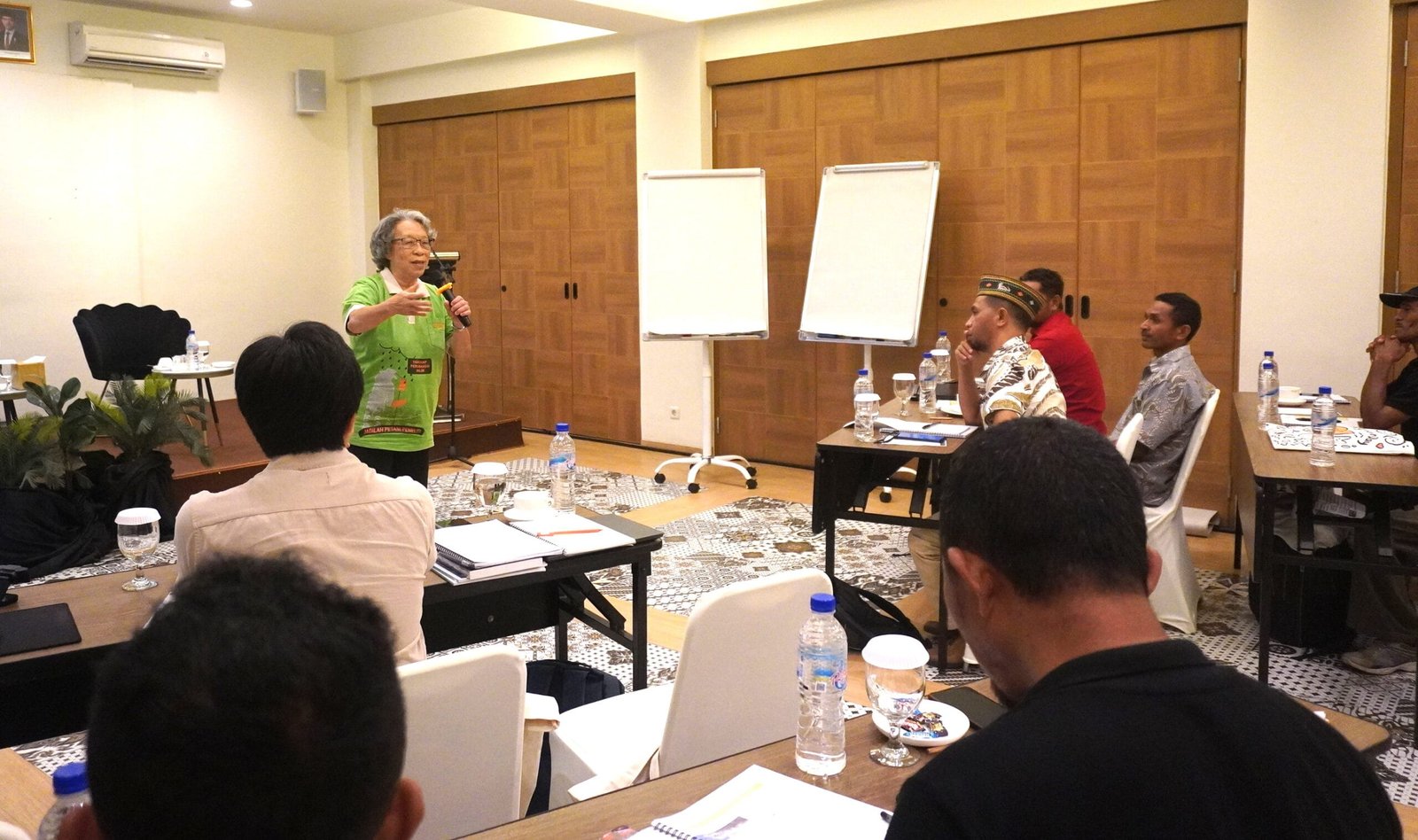
This activity is part of a series of PEKA IKLIM programs implemented by the Bintari Foundation in collaboration with Arbeiter-Samariter-Bund (ASB) South and South East Asia. The program is funded by the Federal Ministry for Economic Cooperation and Development of the Federal Republic of Germany. With a focus on strengthening local capacity, the program aims to create climate-resilient communities through adaptive and sustainable resource management. This training is expected to provide a significant impact in promoting food security and improving the welfare of farmers in Repi Village.