

On November 13–14, 2024, the Climate Resilience Strengthening Program (PEKA IKLIM) conducted Climate Smart Fisheries training in Golo Sepang Village, Boleng Sub-district, West Manggarai Regency, East Nusa Tenggara. The activity aimed to strengthen the capacity of coastal communities in addressing the impacts of climate change through the development of mangrove crab aquaculture and the conservation of mangrove ecosystems.
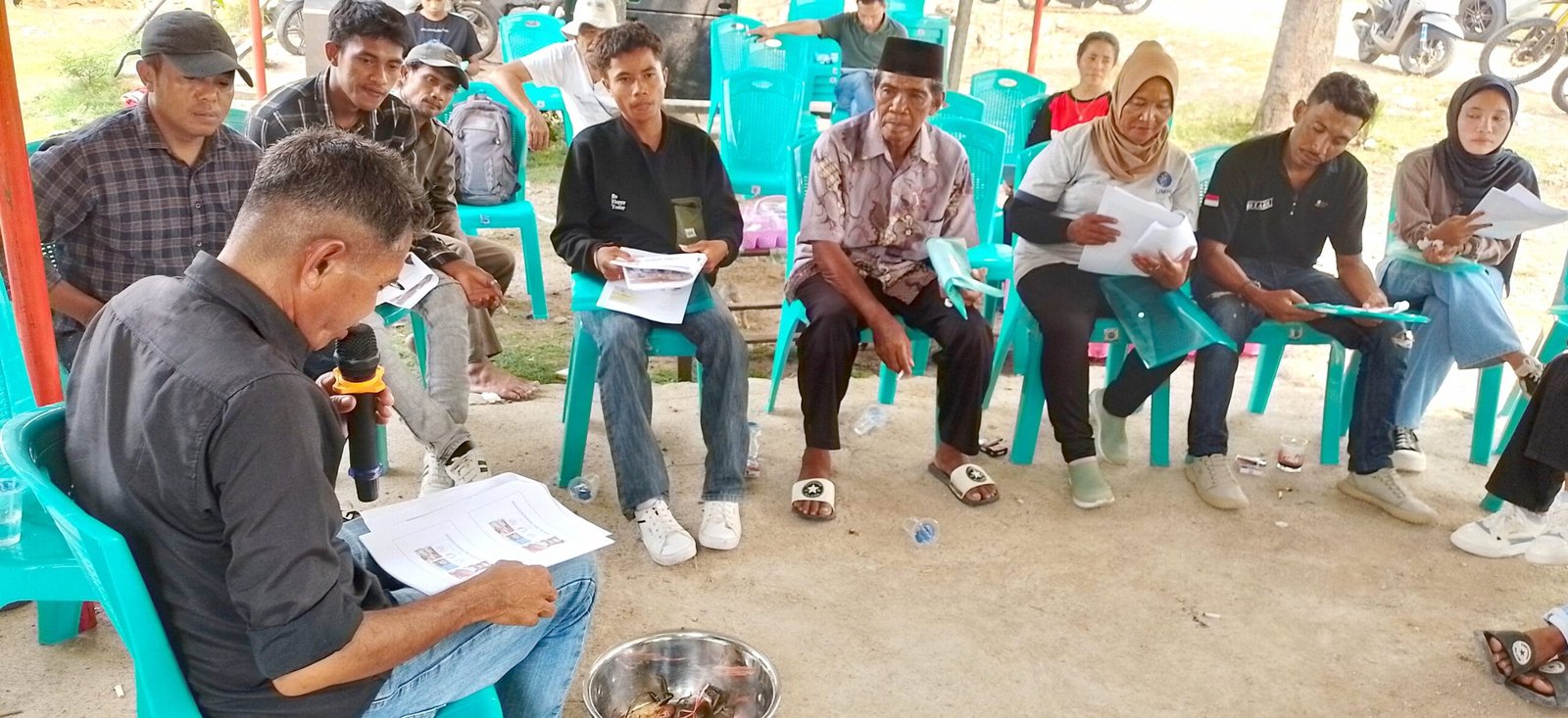
This training involved 15 participants from Warloka Pesisir Village, Komodo Sub-district, West Manggarai Regency. The participants consisted of fishers, women fishers, ecotourism activists, village government representatives, and mangrove activists. This diversity reflects a spirit of cross-sector collaboration in addressing the challenges of climate change. They had the opportunity to explore the materials and engage in hands-on practice on adaptation and mitigation strategies relevant to the coastal environmental conditions in their village.
The first day of the training was opened with a session delivered by the West Manggarai Regency Food Security and Fisheries Agency (DKPP). The resource person presented the promising business opportunities of mangrove crab aquaculture in the region. With increasing market demand and stable selling prices, this aquaculture is considered a sustainable livelihood solution for coastal communities. The session also covered environmentally friendly management strategies to support the conservation of coastal ecosystems and ensure the sustainability of aquaculture practices.
After the session with DKPP, participants shared experiences with the Alam Sejati Terang Group, one of the mangrove conservation groups and mangrove crab aquaculture developers in Golo Sepang. The group shared best practices in mangrove crab aquaculture using innovative methods such as the Vertical Crabs House and floating cages. Through interactive discussions, participants gained practical insights into the application of these methods, as well as the technical challenges and solutions faced by the group.
In addition to the aquaculture aspect, this training also placed significant emphasis on the importance of mangroves as protectors of coastal ecosystems. Mangroves play a crucial role in reducing the impacts of sea level rise, protecting coastlines from erosion, and absorbing carbon to mitigate climate change. The materials delivered by resource persons from the West Manggarai Regency DKPP and local environmental activists highlighted how mangrove conservation can serve as a multifunctional solution—both for ecosystems and the livelihoods of coastal communities.
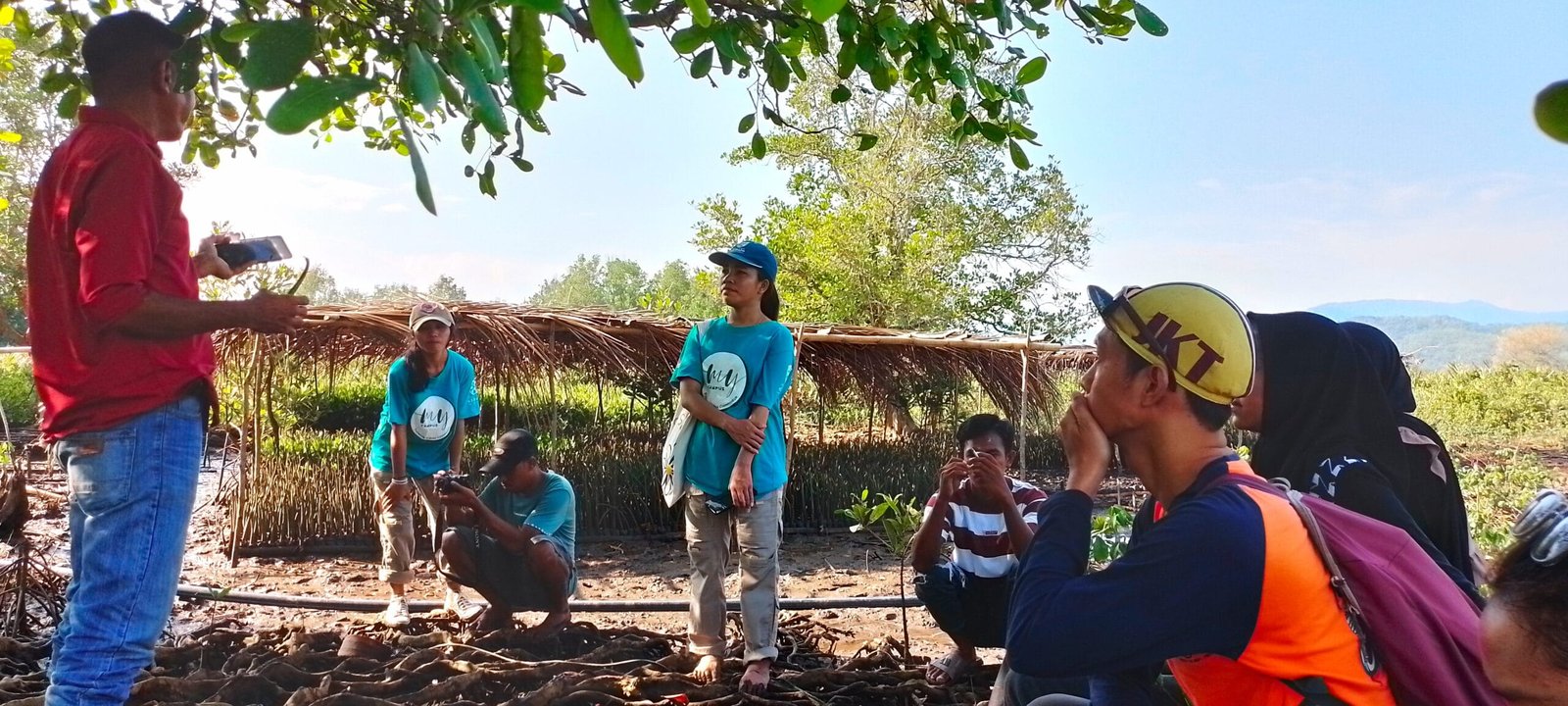
On the second day, participants took part in a field practice focused on exploring the mangrove ecosystem in Golo Sepang Village. During this activity, participants not only learned about the ecological functions of mangroves but also about how to develop mangrove-based ecotourism. This ecotourism potential is believed to serve as a sustainable alternative livelihood source, particularly for fishers who face climate change challenges such as declining fish catches.
At the end of the training, participants developed an action plan covering three main focuses: the development of mangrove crab aquaculture practices, mangrove conservation, and the development of mangrove ecotourism. This plan is designed to be implemented in the village with technical support and continuous monitoring from the Alam Sejati Terang Group and the PEKA IKLIM Program.
This training not only provided new knowledge but also built a collective spirit among participants to work together in preserving the sustainability of coastal environments. The participants realized that the impacts of climate change cannot be avoided, but effective adaptation and wise resource management can help them survive and even thrive.
This activity is part of a series of PEKA IKLIM programs implemented by the Bintari Foundation in collaboration with Arbeiter-Samariter-Bund (ASB) South and South East Asia. The program is funded by the Federal Ministry for Economic Cooperation and Development of the Federal Republic of Germany. In its implementation, PEKA IKLIM is committed to supporting coastal communities in West Manggarai to become more resilient in facing climate change challenges through sustainable resource management.