

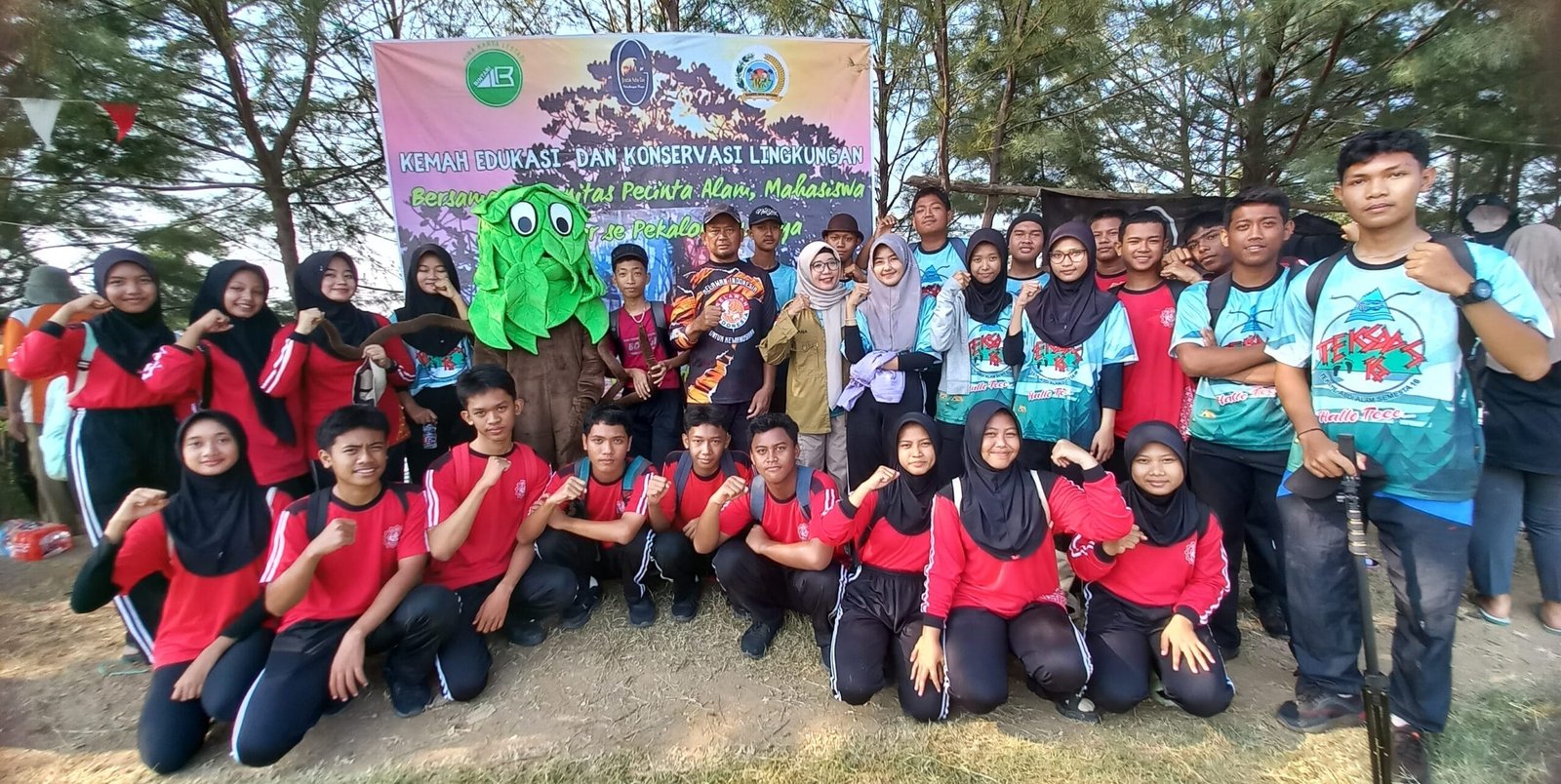
Pekalongan – On October 26–27, 2024, the Pecakaran Village Government and Pecakaran Village-Owned Enterprise (BUMDes), the Nafas Tua Mountaineering Community (PENAT), supported by the BINTARI Foundation, organized an Environmental Education and Conservation Camp. The activity aimed to encourage awareness and participation among nature-loving youth from various communities, students, and university students across Greater Pekalongan to strengthen environmental protection, including coastal areas.
The Environmental Education and Conservation Camp, held over two days and one night, was attended by more than 200 participants, featuring a series of activities including discussions and mangrove seedling planting. The Central Java Forestry Agency Region IV, the BINTARI Foundation, the Belantara Foundation, Generasi Muda Pecinta Alam (Gempala), the Krapala Community, and the Pecakaran Village Secretary served as speakers in the highly engaging discussion session during the camp. In the discussion, which was attended by 50 participants, the speakers delivered various materials related to the importance of environmental protection and the role of youth.
“We want to do something different; we want to convey that nature lovers do not only climb mountains, but we also plant mangroves on the coast,” said Mr. Edy Yulianto, Head of the Nafas Tua Mountaineering Community, who is one of the organizers of this Education Camp.
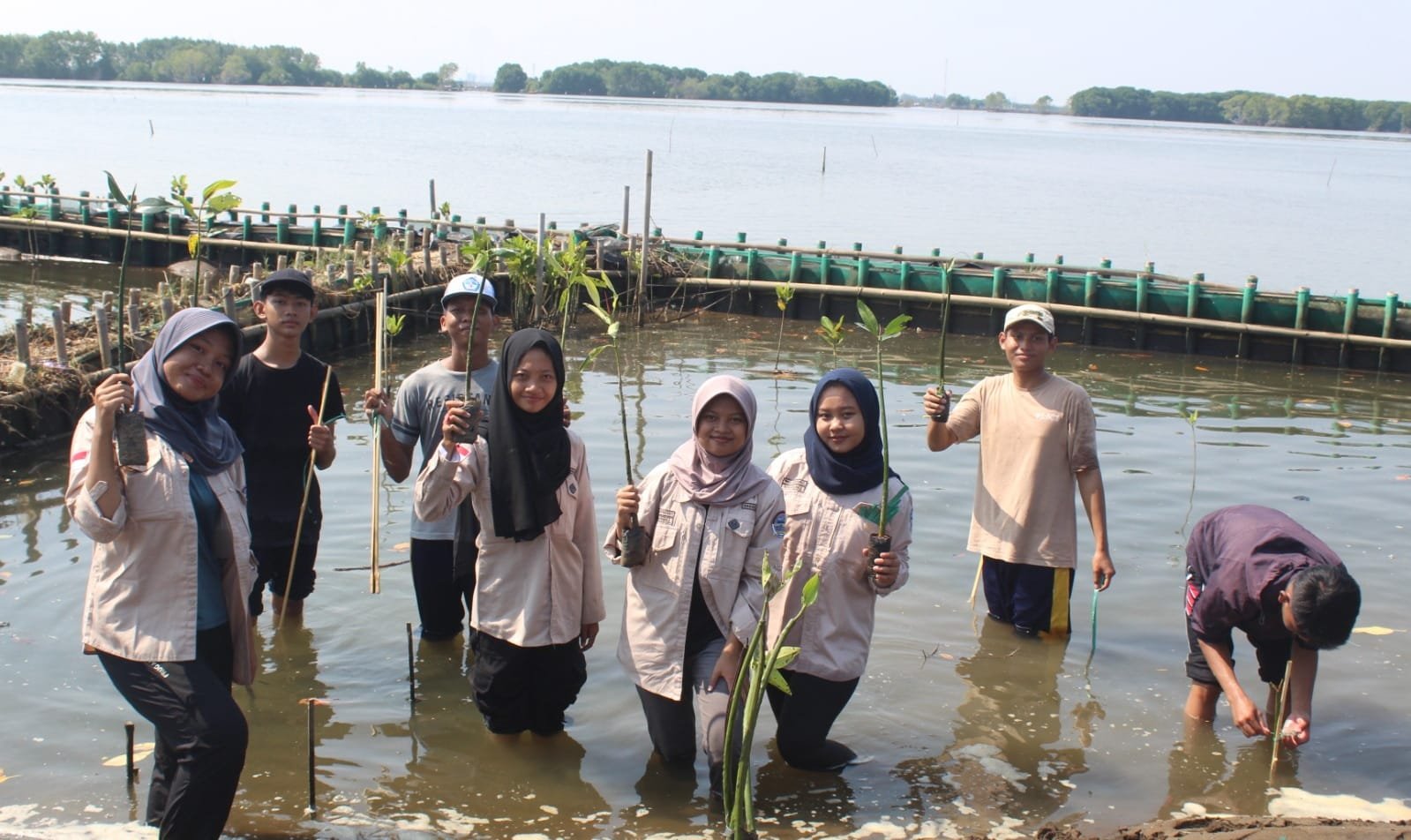
The following day, the Education Camp continued with concrete action through the planting of 500 Rhizophora mangrove seedlings. The activity was attended by around 200 people from various communities, as well as students and university students. It began with education on the importance of mangroves and planting techniques, after which participants were directed to the gathering point to continue their journey to the planting site using boats provided by the organizers. The mangrove planting activity was met with enthusiastic participation, with participants willing to get wet while planting mangrove seedlings together and enjoying the scenery at the activity site.
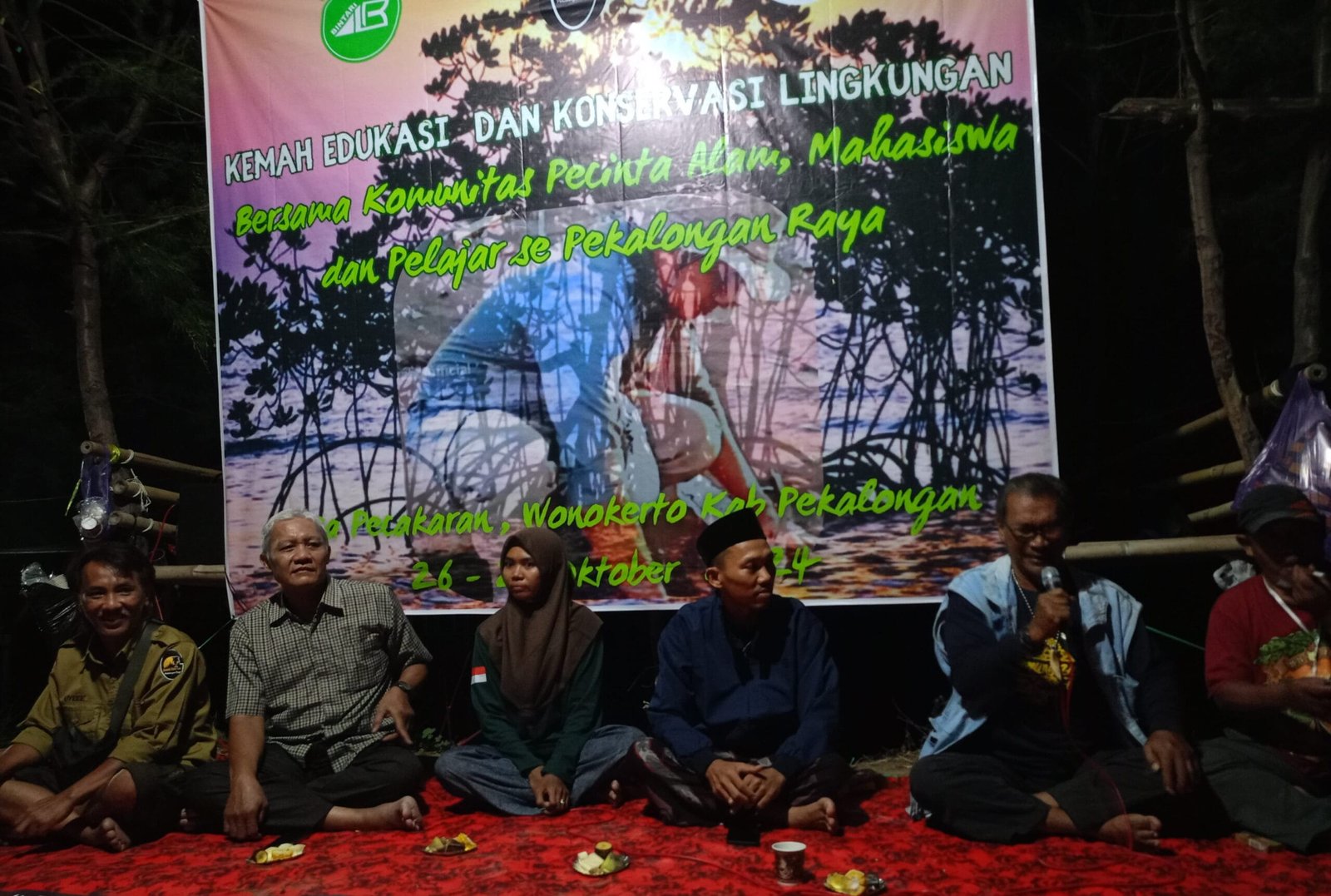 “We are very happy to see the enthusiasm of young people who care about the environment. If not them, then who will protect it? We did not expect so many people to be interested in participating in mangrove planting together,” said one of the event organizers. The Environmental Education and Conservation Camp also simultaneously encouraged participants to campaign for environmental conservation actions through mangrove planting via their respective social media platforms. It is hoped that the spirit of environmental protection and conservation fostered through this activity will continue to expand, especially among the younger generation.