
Small islands in Maluku are blessed with natural beauty while also facing complex challenges. Saparua Island and Banda Island, both part of Central Maluku Regency, currently lack Final Disposal Sites (TPA) and Integrated Waste Processing Facilities (TPST). Their geographic separation by sea, high transportation costs, and limited infrastructure mean that household waste collection services are virtually unavailable. As a result, residents have long managed their waste independently—by burning it, disposing of it in forests, or even dumping it into the sea. While these practices may be seen as practical, they instead contribute to environmental pollution and pose serious threats to public health and ecosystem sustainability.
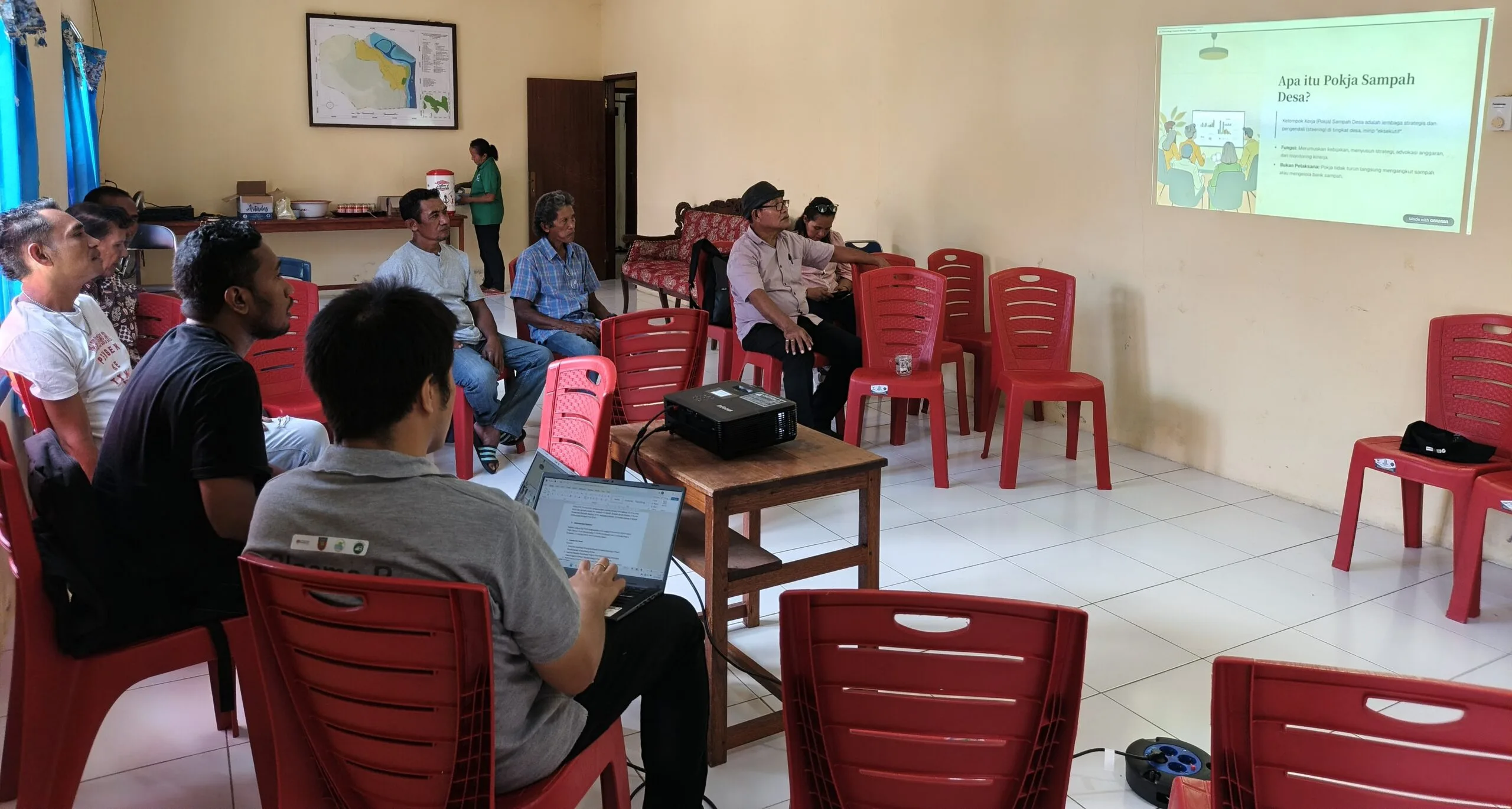
In response to these challenges, the BINTARI Foundation, through the PLASMA-B Program, has promoted more comprehensive and sustainable solutions. These efforts were realized through village-level deliberative meetings held in partner villages, which resulted in an important agreement: the establishment of Village-level Waste Management Working Groups (Pokja).
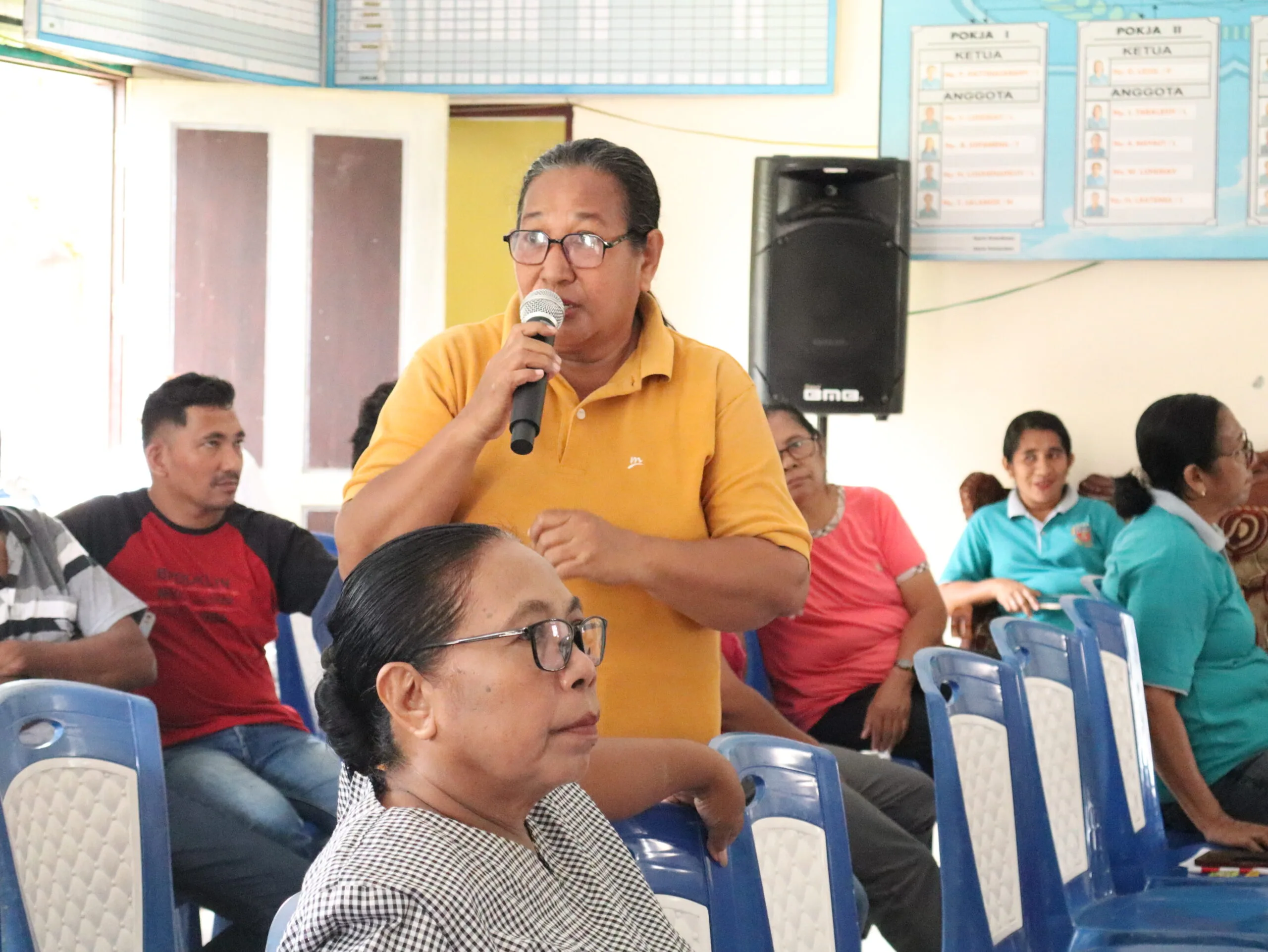
The deliberative meetings were marked by strong enthusiasm and attended by representatives of village governments, saniri or village consultative bodies, traditional leaders, church leaders, school principals, women’s groups, Posyandu health cadres, fishermen, tourism awareness groups, and youth representatives. The forum was designed to be inclusive, allowing every segment of the community to contribute ideas. This collective commitment is expected to serve as a foundation for waste management efforts from upstream to downstream.
Based on the decisions of the deliberative meetings, the Waste Management Working Groups (Pokja) were given a clear operational mandate. Their main responsibilities include developing plans in line with local regulations—Central Maluku Regional Regulation (Perda) No. 11/2022 on Waste Management and Regent Regulation (Perbup) No. 3/2020 on the Regional Waste Management Strategy and Policy (Jakstrada); designing operational systems for waste reduction, sorting, transportation, and utilization; and ensuring community participation while integrating local wisdom. These tasks are carried out through coordination, education, monitoring, evaluation, and reporting activities. To support effectiveness, each Pokja is structured with a complete organizational framework, consisting of a Chairperson, Vice Chairperson, Secretary, Treasurer, and five main divisions: Operational Technical, Island Logistics, Outreach and Education, Monitoring and Evaluation, and Sanitation/Marine Waste Prevention.
“The establishment of this Working Group is not merely a formality, but a concrete step and a reflection of our shared commitment. I hope the Pokja can serve as a catalyst that brings together all community potential, ensuring that waste management is carried out effectively and that its benefits are directly felt by all residents,” said Fitra, Head of the Administrative Village Government of Tanah Rata.
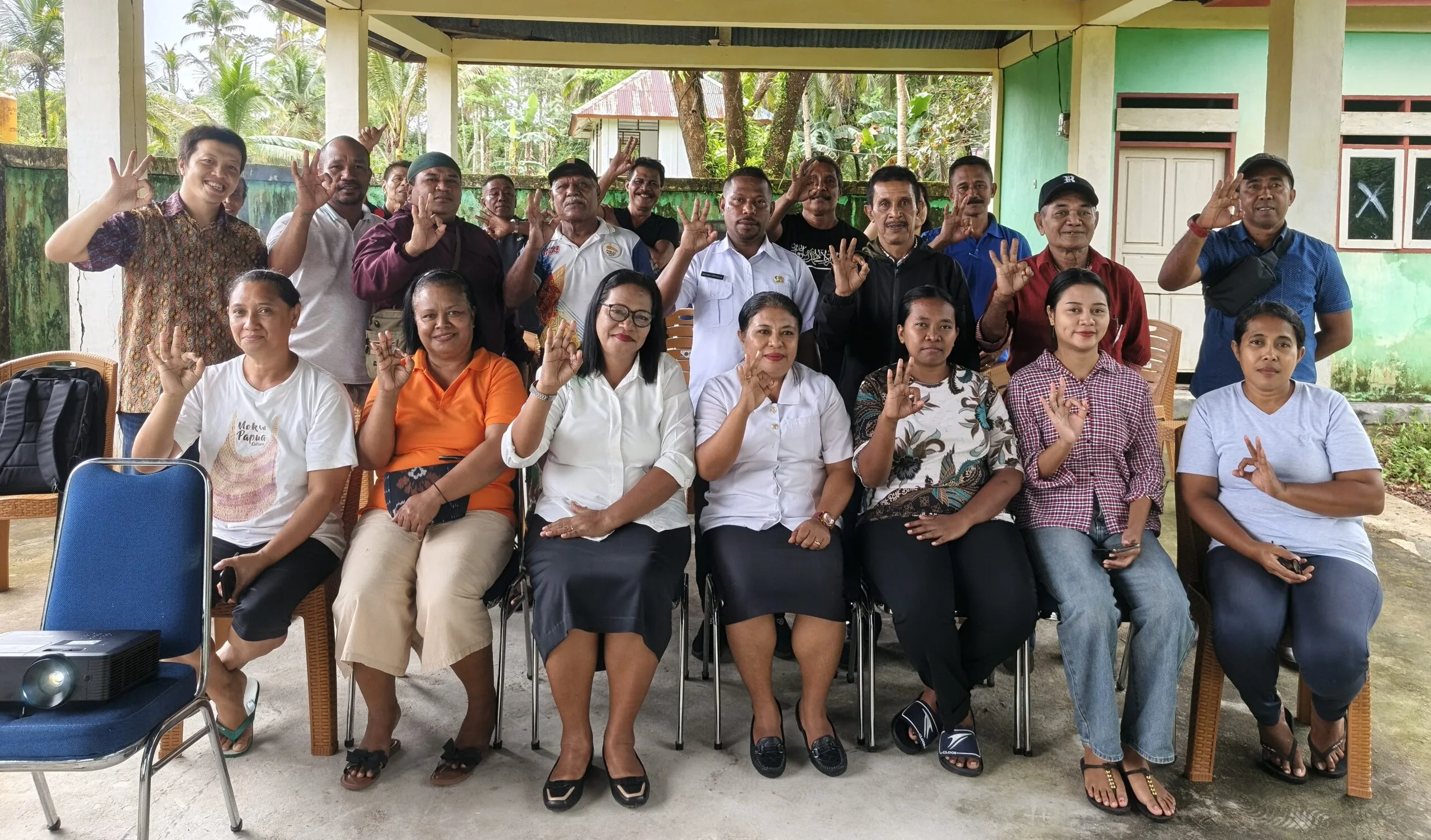
It is acknowledged that not all members of the Working Groups immediately fully understand their roles and functions, and gaps in knowledge remain regarding the waste management system to be developed. Nevertheless, the BINTARI Foundation is committed to supporting these groups through March 2027 through assistance in planning, implementation, and system improvement efforts. This approach is expected to build village-level self-reliance in waste management, even within the constraints faced by small island communities.
At present, Waste Management Working Groups have been established in Negeri Paperu, Negeri Saparua, Negeri Mahu, Negeri Tanah Rata, Negeri Pulau Rhun, and Negeri Dwiwarna. Through these efforts, residents of these small islands seek to make their voices heard—that they remain present and committed to building independent waste management systems, not only for the cleanliness of their villages, but also for the sustainability of biodiversity and the livelihoods that depend heavily on the sea and coastal environments.
That hope is now beginning to take shape: from deliberation comes agreement; from agreement comes the Working Group; and from the Working Group, it is hoped, will emerge an independent waste management system that benefits today’s generation and the future of Maluku.